Understanding Senior Care Levels: Picking Between Assisted Living and Other Elderly Care Options
Business Name: BeeHive Homes of Bosque Farms
Address: 1935 Bosque Farms Blvd, Bosque Farms, NM 87068
Phone: (505) 357-0505
BeeHive Homes of Bosque Farms
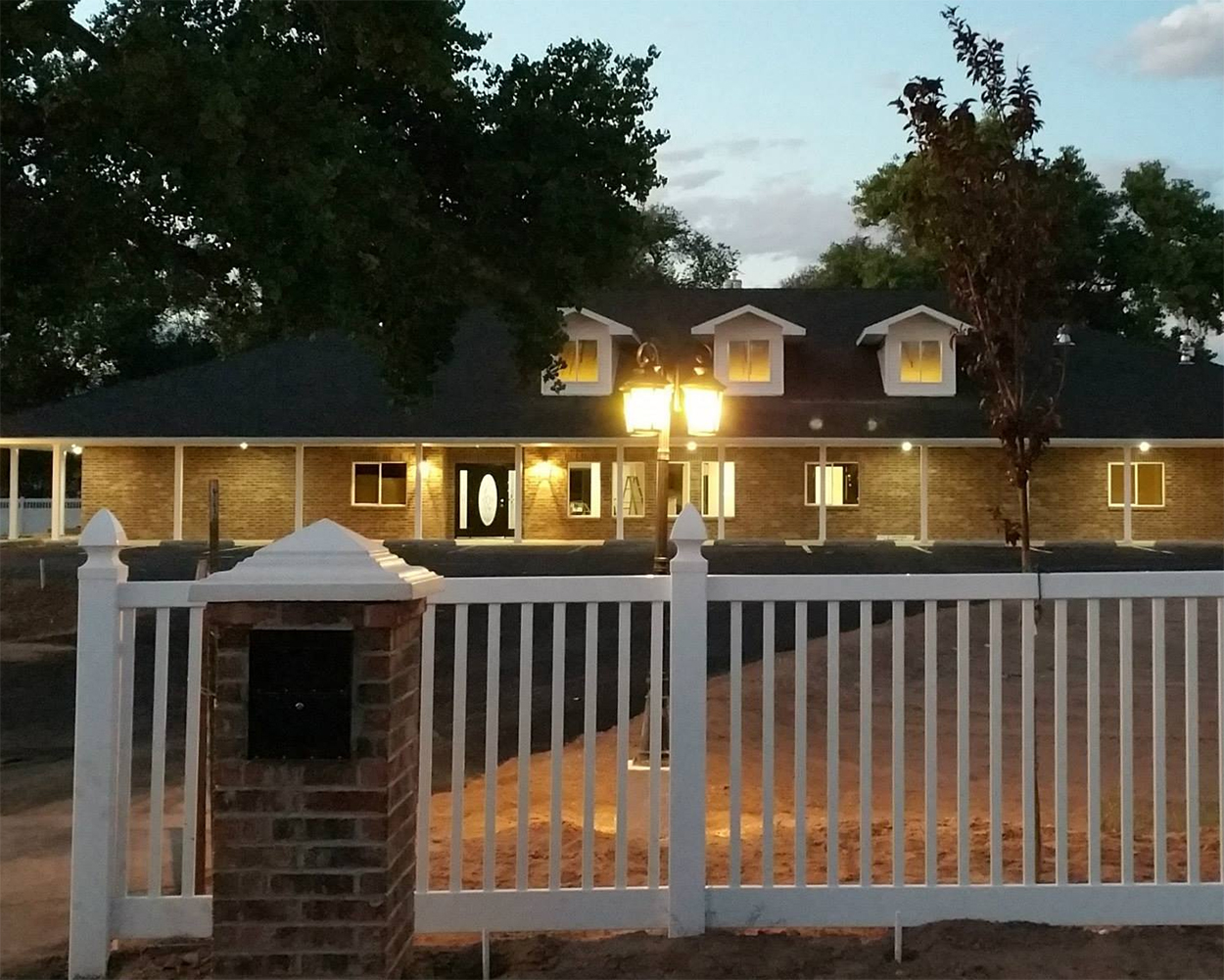
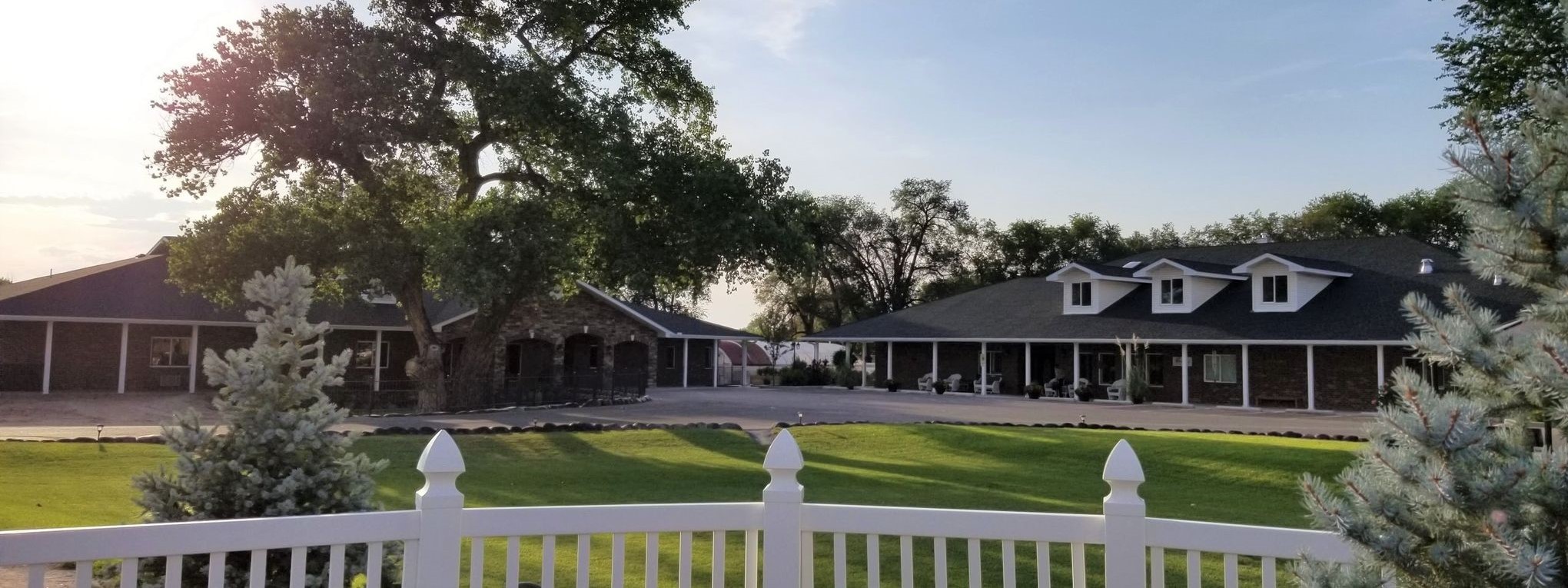
Beehive Homes of Bosque Farms assisted living care is ideal for those who value their independence but require help with some of the activities of daily living. Residents enjoy 24-hour support and caring assistance, private rooms and home-cooked meals. Assisted living should feel like home. Welcome home!
1935 Bosque Farms Blvd, Bosque Farms, NM 87068
Business Hours
Families generally do not begin researching senior care till something has actually already gone wrong. A fall, a missed out on medication, a late-night emergency room visit. By the time I satisfy lots of households, they are tired, anxious, and trying to translate a labyrinth of terms: assisted living, memory care, knowledgeable nursing, respite care, home health, hospice.

The terms can feel abstract, but the choices are not. They determine whether a parent can stay near their friends, whether a partner can sleep through the night, and just how much cost savings might stay 5 years from now. Getting clear on care levels early, before a crisis, offers you options you just do not have when you are under pressure.
This guide walks through how assisted living suits the more comprehensive landscape of senior care, the differences that really matter everyday, and how families can match a genuine person's needs to the ideal setting.
How care requirements generally change with age
Most older adults do stagnate directly from total independence to a nursing home. Requirements generally progress in stages, although the timeline varies.
In the early phase, someone might live separately but require small supports: a weekly house cleaner, grocery delivery, a neighbor who checks in. At this point, the main issues are social seclusion, minor safety concerns in the house, and the very first hints of lapse of memory. Households typically see stacks of unopened mail or ended food in the fridge long before they see remarkable changes.
Over time, daily jobs start to slip. Managing numerous medications, safely getting in and out of the shower, preparing regular meals, and keeping up with laundry and basic home upkeep start to seem like too much. This is where assisted living and similar elderly care alternatives emerge. The objective is to support self-reliance, not to replace it, while getting rid of adequate concern and threat that the person can gain back some quality of life.
In later phases, when someone has complicated medical needs, advanced dementia, or requires assistance throughout the night, greater levels of care such as memory care or knowledgeable nursing end up being better suited. The transition is hardly ever a tidy line. I frequently see families try to spot things together in the house long after it has actually become hazardous, merely because they do not have a mental map of what else exists.
Understanding each care level helps you avoid 2 common mistakes: moving prematurely into a setting that is more limiting and expensive than required, or waiting so long that a crisis forces a hurried move into the very first available bed.
Key care settings in the senior care spectrum
Clinical books explain care levels in terms of policies, staffing ratios, and repayment models. Families experience them more concretely: who assists Mom with her shower, who notices if Dad appears more confused, who exists at 2 a.m. If he can not breathe.
Here is how the main options vary in genuine life.
Independent living and aging in place
Independent living neighborhoods and aging in location in your home occupy the lowest level of official senior care. The person is largely self-sufficient however may gain from a supportive environment.
In independent living, older grownups live in private apartment or condos or cottages, with shared dining choices, light housekeeping, and social activities. Personnel do not typically offer hands-on help with bathing, dressing, or medications. It works best for somebody who can manage their own routines however wants convenience, community, and a more secure environment than a big, aging house.
Aging in location in your home counts on household, employed caregivers, or visiting experts to supply help. This course offers autonomy and emotional convenience, but it comes with coordination challenges. Someone has to handle schedules, backups when caregivers are ill, home safety modifications, and transport. For families who live close-by and can share responsibilities, it can be extremely effective. For adult kids who live hours away, it can become a logistical and psychological strain.
I often recommend families to treat home-based assistance as a versatile layer that can expand and contract as requirements alter. A few hours of aid weekly can eventually turn into daily assistance or over night coverage without requiring a physical relocation, at least up until medical complexity or cognitive decline makes home care too challenging or expensive.
Assisted living: the middle ground
Assisted living is created for older adults who do not need 24-hour nursing care, but can not manage securely with only occasional aid. It is the middle of the senior care spectrum, and for lots of people it is where they spend the majority of their later years.
Residents generally reside in personal or semi-private apartments. Staff help with activities of daily living such as bathing, dressing, grooming, toileting, and moving. They also support so-called crucial activities: handling medications, arranging transportation, doing laundry, and often collaborating medical appointments.
What households usually ignore is the impact of structure. Arranged meals, daily check-ins, and on-site activities reduce the turmoil that sneaks into life when an older adult is alone for long stretches. For somebody with moderate memory problems, having staff advise them of meals, occasions, and medications can prevent more serious decline.
At its finest, assisted living seems like a small community, not an organization. Homeowners still lock their doors, choose how to provide their areas, and pick whether to join group activities or keep to themselves. They just do not need to fret about stairs, cooking on a gas stove, or keeping in mind every tablet on their own.
However, assisted living communities vary extensively. Some are more hospitality-focused, with resort-like amenities and lighter care. Others lean toward higher acuity, with more robust staffing and closer ties to healthcare providers. Asking detailed questions about what happens when needs boost is essential, because a neighborhood that looks perfect today may not have the ability to support someone if they begin to need two-person transfers or nightly monitoring.
Memory care: assisted coping with safe and secure support
Memory care is often certified either as a different unit within an assisted living neighborhood or as an unique center under comparable policies, depending on the state. It serves people with moderate to advanced dementia who are hazardous in unsecured environments, regardless of their physical strength.
Families normally think about memory care when roaming, considerable confusion, or behavioral changes make standard assisted living or home care risky. For example, an individual who repeatedly attempts to leave the building in the evening or believes complete strangers are in their home may require the structured, safe environment of memory care.
Staff in memory care settings receive targeted training on dementia, communication methods, and behavior management. Structures are developed to lower triggers: clear sight lines, circular strolling courses, and visual cues that help residents orient themselves. Activities aim to match abilities, not highlight deficits, which can significantly decrease agitation.
The compromise is a more regulated environment. Doors are locked or alarmed. Choices are structured. Personal privacy still matters, however the focus tilts more towards security than autonomy. For some families, this seems like a relief; for others, it is mentally tough but necessary.
Skilled nursing and rehabilitation
Skilled nursing facilities sit at the highest level of traditional elderly care outside healthcare facilities. They serve two broad groups.
The first group consists of short-stay rehab patients. Think of someone who had a stroke, hip fracture, or major surgical treatment. They need intensive physical therapy, occupational therapy, and sometimes speech treatment, together with close medical monitoring. The goal here is to recuperate sufficient function to return home or to a less extensive setting such as assisted living.
The 2nd group consists of long-term citizens whose medical or functional needs exceed what assisted living can fairly deal with. Examples consist of people needing feeding tubes, complex wound care, regular intravenous medications, or overall support with all activities of daily living. Staffing includes registered nurses all the time, and the facility should follow stricter medical regulations.
Families in some cases fret that moving a parent to a competent nursing facility is a one-way trip. That is not constantly the case. With strong rehabilitation, numerous older grownups move back to assisted living or home. The key is to have clear goals and timelines from the very first week, and to remain actively involved in discharge planning rather than assuming the facility will immediately recommend the least limiting option.
Home health, personal responsibility, and respite care
Not every solution involves a move. Numerous services can wrap around an older adult wherever they live.
Home health is a Medicare-covered service (in the United States) that offers periodic knowledgeable care in the house, such as nursing visits, physical treatment, or injury care, generally after a hospitalization or a change in condition. It is not the same as a day-to-day caregiver. Think visits a couple of times a week for specific medical tasks, instead of constant aid with bathing or cooking.
Private task caregivers, employed through firms or separately, fill that daily support role. They can aid with individual care, housekeeping, errands, and companionship. Appropriate supervision and planning are crucial, particularly for over night care or complex medications. Expenses accumulate rapidly at high hours, however for the ideal situation, this path can extend somebody's capability to stay in your home significantly.
Respite care bridges spaces. It can imply a short-term remain in an assisted living or memory care neighborhood, or short-lived extra in-home assistance, so that a family caretaker can rest, travel, or address their own health requirements. I have seen numerous hesitant parents accept a "trial stay" framed as respite care, only to decide they prefer the extra help and social contact. Used carefully, respite can avoid burnout and hold-up long-term placement.
Signals that assisted living might be the best level
Families often ask for a list of "indications it is time," as if there were an exact threshold. Truth is messier, however some patterns repeat throughout lots of families I have dealt with. Rather than providing a stiff list, think about these repeating scenarios.
An older adult starts having minor accidents at home: slips in the shower, burns from the range, or trouble browsing steps. They may brush off these events, but you see increasing hesitation or fear around specific tasks. A single severe fall can change the trajectory of somebody's health; small ones are early caution signs.
Medication errors become frequent. Tablet organizers sit untouched. You find replicate prescriptions for the exact same drug, filled at various drug stores. Health center visits for conditions that should be managed, such as heart failure or diabetes, end up being more common. Assisted living personnel can handle medication administration, lowering this risk dramatically.
Nutrition and hygiene decline. Your parent who as soon as prided themselves on neat clothes and a tidy cooking area starts to wear the very same attire numerous days and lets dishes accumulate. Weight reduction, frequent urinary tract infections, or oral problems signal that everyday routines are getting away from them.
Social withdrawal grows. Even when physically capable of heading out, the person seldom leaves home, misses spiritual services or club meetings, and appears uncommonly anxious about visitors. Isolation is not just lonesome; it speeds up cognitive and practical decline. Assisted living communities, when well run, can reverse this trend.
Caregiver strain becomes apparent. A partner in their late seventies attempts to help their partner transfer from bed to chair, risking their own health. An adult kid invests most evenings managing crises by phone and most weekends catching up on jobs for their parent, squeezing their own household and work time into the margins. When the support group starts to break, the older adult's stability typically follows.
If numerous of these elements exist, assisted living is worth a serious look. It does not mean someone has lost all independence. It suggests you are moving from an improvised home-based system, often delicate and covert, to a structured environment where aid is close by.
How assisted living differs from other elderly care options
Assisted living often gets confused with both independent living and nursing homes. The distinctions matter for expectations, safety, and cost.
Compared with independent living, assisted living consists of hands-on support with personal care and medication management, plus a greater level of staff schedule. Locals might still delight in comparable apartment or condos and amenities, but there is a care team in place that can increase services as needs grow. Prices typically shows this, with base rates plus tiered fees based upon care level.
Compared with experienced nursing, assisted living operates on a more social and less medical design. There might be nurses on personnel, but they typically are not present 24 hours a day, and medical devices is minimal. Regulations are lighter. This environment feels more homelike and less scientific, however it is not suitable for someone who requires continuous tracking or complex treatments.
Memory care is finest thought of as an expertise of assisted living, not something entirely different. Both provide support with everyday activities, however memory care layers in safe design, higher staffing ratios, and dementia-focused programming. Someone might start in basic assisted living and later transfer internally to memory care if their cognitive decrease progresses.
Home-based plans can look really various from assisted living, even when the number of support hours is comparable. In assisted living, personnel can respond if a resident falls at 3 a.m. In home care, unless you have day-and-night caregivers, emergency situations outside arranged hours depend on emergency situation services or next-door neighbors. beehivehomes.com senior care On the other hand, remaining at home offers familiarity, control over regimens, and in many cases, lower expenses at modest care levels.
One of the most beneficial questions to ask yourself is: "Where will assist come from at 2 a.m. If something goes wrong, and how trustworthy is that plan?" Assisted living, memory care, and proficient nursing provide explicit answers to that concern. Home-based systems typically presume nothing major will take place outside arranged caretaker hours, which is rarely true for long.
Financial and practical trade-offs
Cost is the subject households raise with a mix of worry and confusion. Figures differ extensively by area, however it prevails to see regular monthly assisted living charges in the mid 4 figures, with higher rates for memory care and skilled nursing. Home care can appear less expensive in the beginning glance, but when you compute 24-hour coverage at hourly rates, it often exceeds center costs.
The deeper concern is value. What are you paying for, and what risks are you accepting if you try to conserve cash by covering services together?
In assisted living, charges usually cover housing, energies, meals, fundamental house cleaning, some transportation, activities, and a defined level of personal care. Extra needs may be billed as add-ons. Unanticipated cost creep prevails when someone's care requirements increase much faster than the household understands. Request for a composed description of how the neighborhood identifies care levels and how frequently reassessments occur.
Home care expenses scale with hours. A couple of hours a week might cost reasonably little, but once a person requires help multiple times a day or overnight, costs install quickly. Households in some cases underestimate concealed expenses: home modifications, emergency situation monitoring systems, and the value of overdue family caretaker time.
Medicare and comparable insurance programs generally do not spend for long-term custodial care, whether at home or in assisted living. They cover clinically required services such as proficient nursing, therapy, and medical facility care. Long-term care insurance coverage, when readily available, can offset some expenditures, but policies differ greatly in what they cover and how benefits are set off. It is important to evaluate policy documents instead of rely on presumptions or unclear memories of what a representative when described.
I often motivate households to consider not just the month-to-month price tag, however likewise the downstream costs of avoidable hospitalizations, injuries, and caretaker burnout. A slightly greater level of structured support can sometimes avoid major expenses and suffering later.
Using respite care to test and transition
Respite care is among the most underused tools in senior care, despite being exceptionally useful. It uses short-term assistance, generally for a few days to a few weeks, either in the home or in a residential setting such as assisted living or memory care.
In practice, respite serves three important purposes.
First, it gives family caretakers foreseeable breaks. Taking care of a parent or spouse is physically and mentally taxing, even when finished with love. Periodic respite permits caregivers to recharge, take care of their own health, or just sleep without listening for every single small sound in the night. Research studies regularly reveal that routine breaks minimize anxiety and prolong a caregiver's capability to continue safely.
Second, respite remain in assisted living or memory care use a low-risk trial. Rather of devoting to a long-term relocation, an older adult can "try" the community. Many individuals who insisted they would never leave their home find they appreciate having meals prepared, company at the table, and somebody else handling the laundry. Even when they pick to return home, both the family and the community gain important insight into what future support may look like.
Third, respite offers a safety net during shifts. After a hospitalization, for example, someone might not yet be safe to return home alone but may not need the complete strength of proficient nursing. A short-term respite stay in assisted living, with the choice to extend, can smooth that healing period and prevent readmission.
If you are considering assisted living but facing resistance from your loved one, framing the relocation as momentary respite instead of long-term moving frequently reduces defenses. It feels more like a trial collaboration than an irreparable decision.
A useful framework for selecting among options
Families typically feel pulled in between regret, fear, and clashing guidance from good friends or experts. A more grounded way to approach the choice is to take a look at 3 dimensions: existing needs, most likely trajectory, and assistance capacity.
Here is a simple sequence lots of families discover practical when comparing assisted living with other elderly care options:
-
Clarify the person's everyday reality
Spend a full day, or numerous, observing or asking particular questions about how your loved one manages. Concentrate on concrete tasks: bathing, dressing, toileting, consuming, strolling, medications, and family chores. Note what they do individually, what they do with effort or danger, and what they currently avoid or stop working to complete. -
Map those needs to care settings
With that picture in hand, match needs to the settings described previously. For example, if they are primarily independent however lonesome, independent living or improved home support might be enough. If they need help with several personal care jobs and medication management, assisted living becomes more appropriate. If they are unsafe alone due to dementia, think about memory care. Severe medical complexity points toward knowledgeable nursing. -
Assess your family's sustainable support
Ask what level of time, physical effort, and emotional energy the household can realistically offer over the next year, not just the next month. Consist of everyone's work schedules, health concerns, and monetary limits. It is better to be truthful now than to strike a crisis later on since everyone calmly assumed somebody else would step in. -
Factor in individual worths and personality
Some older adults flourish in community settings, joining every activity and forming brand-new relationships. Others are deeply private and value control of their environment above practically whatever. Consider their lifelong tendencies. An introverted person may still succeed in assisted living if they have a peaceful home and considerate personnel, however they may need stronger reassurance about privacy and choice. -
Revisit as conditions change
No decision is long-term. The right answer this year may be wrong two years from now. Build in regular check-ins, maybe every 6 months, to ask whether the current arrangement is safe, sustainable, and aligned with your loved one's self-respect. Early modifications are far less disruptive than emergency situation moves.
Using this process, assisted living emerges not as a vague middle classification, however as an extremely particular match for somebody who needs constant support with everyday tasks, a safer environment, and social structure, but who does not yet require constant medical care.
Final ideas: stabilizing safety, self-reliance, and dignity
Senior care choices are seldom cool. Brother or sisters may disagree. A parent may refuse any modification at first. Financial restrictions limit options. Emotions run high, particularly when functions reverse and adult kids begin to advocate for parents who as soon as cared for them.
Yet there is likewise a chance here. Thoughtful usage of assisted living, respite care, and other senior care choices can extend not simply the length of life, however the quality of the years remaining. The objective is not just to keep somebody alive, but to support them in living as fully and securely as possible within their current abilities.
When assessing options, keep going back to 3 questions.
Is my loved one safe in a manner that is sustainable, not dependent on heroic efforts every week?
Do they have enough support to keep some pleasure, function, or convenience in daily life, not simply to survive?
Can this plan flex as their needs alter, without plunging everyone back into crisis?
If you can address yes to those three, whether the setting is assisted living, home with robust assistance, or a higher level of elderly care, you are on strong ground. If not, it may be time to reevaluate how the various care levels described here can work together to create a more steady and gentle path forward.
BeeHive Homes of Bosque Farms provides assisted living care
BeeHive Homes of Bosque Farms provides memory care services
BeeHive Homes of Bosque Farms provides respite care services
BeeHive Homes of Bosque Farms supports assistance with bathing and grooming
BeeHive Homes of Bosque Farms offers private bedrooms with private bathrooms
BeeHive Homes of Bosque Farms provides medication monitoring and documentation
BeeHive Homes of Bosque Farms serves dietitian-approved meals
BeeHive Homes of Bosque Farms provides housekeeping services
BeeHive Homes of Bosque Farms provides laundry services
BeeHive Homes of Bosque Farms offers community dining and social engagement activities
BeeHive Homes of Bosque Farms features life enrichment activities
BeeHive Homes of Bosque Farms supports personal care assistance during meals and daily routines
BeeHive Homes of Bosque Farms promotes frequent physical and mental exercise opportunities
BeeHive Homes of Bosque Farms provides a home-like residential environment
BeeHive Homes of Bosque Farms creates customized care plans as residents’ needs change
BeeHive Homes of Bosque Farms assesses individual resident care needs
BeeHive Homes of Bosque Farms accepts private pay and long-term care insurance
BeeHive Homes of Bosque Farms assists qualified veterans with Aid and Attendance benefits
BeeHive Homes of Bosque Farms encourages meaningful resident-to-staff relationships
BeeHive Homes of Bosque Farms delivers compassionate, attentive senior care focused on dignity and comfort
BeeHive Homes of Bosque Farms has a phone number of (505) 357-0505
BeeHive Homes of Bosque Farms has an address of 1935 Bosque Farms Blvd, Bosque Farms, NM 87068
BeeHive Homes of Bosque Farms has a website https://beehivehomes.com/locations/bosque-farms/
BeeHive Homes of Bosque Farms has Google Maps listing https://maps.app.goo.gl/VeA8p86Gp4TSGBN7A
BeeHive Homes of Bosque Farms has Facebook page https://www.facebook.com/BeehiveHomesBosqueFarms
BeeHive Homes of Bosque Farms won Top Assisted Living Homes 2025
BeeHive Homes of Bosque Farms earned Best Customer Service Award 2024
BeeHive Homes of Bosque Farms placed 1st for New Mexico Senior Living Communities 2025
People Also Ask about BeeHive Homes of Bosque Farms
What is the monthly room rate at BeeHive Homes of Bosque Farms?
Monthly room rates are based on each resident’s individual care needs. Before move-in, we complete an initial evaluation to better understand the level of support, assistance, and daily care that may be needed. This helps us provide a clear monthly rate that reflects the resident’s personalized care plan. We believe families deserve honest conversations and transparent pricing, with no hidden costs or surprise fees.
Can residents stay at BeeHive Homes of Bosque Farms through the end of life?
In many cases, yes. Our goal is to help residents remain in the comfort of a familiar, homelike setting for as long as their needs can be safely and appropriately met. There may be exceptions if a resident requires a higher level of skilled nursing care, ongoing medical treatment beyond assisted living services, or if safety concerns arise. When those moments come, we work with families, physicians, and care partners to help guide the next step with compassion and clarity.
Does BeeHive Homes of Bosque Farms have a nurse on staff?
BeeHive Homes of Bosque Farms does not have a full-time nurse living on-site, but we do have access to a consulting nurse. If a resident needs additional nursing services, a physician may order home health services to come directly into the home. This allows residents to receive supportive care in a comfortable residential environment while still having access to outside clinical services when appropriate.
What are the visiting hours at BeeHive Homes of Bosque Farms?
We welcome family visits and understand how important it is for residents to stay connected with the people they love. Visiting hours are flexible and are adjusted around the needs of each resident and family. We simply ask that visits be respectful of residents’ routines, rest, meals, and the peaceful rhythm of the home — not too early, not too late, and always centered on what is best for the resident.
Are couples’ rooms available at BeeHive Homes of Bosque Farms?
Yes, BeeHive Homes of Bosque Farms may have rooms designed to accommodate couples, depending on availability. For many couples, staying together while receiving the right level of assisted living support can bring comfort, familiarity, and peace of mind. We encourage families to ask about current room options, availability, and how care plans can be personalized for each spouse.
What makes BeeHive Homes of Bosque Farms different from larger assisted living facilities near Albuquerque?
BeeHive Homes of Bosque Farms offers care in a smaller, residential-style setting rather than a large institutional facility. Nestled in the quiet village of Bosque Farms, just south of Albuquerque, our homes are designed to feel personal, peaceful, and familiar. Residents receive support with daily needs in a setting where caregivers can truly get to know their routines, preferences, and personalities. For families looking for assisted living near Albuquerque with a more intimate, homelike feel, BeeHive Homes of Bosque Farms offers a comforting alternative.
Is BeeHive Homes of Bosque Farms a good option for families in Los Lunas, Peralta, Belen, and Albuquerque?
Yes. BeeHive Homes of Bosque Farms is conveniently located in Valencia County and serves families throughout Bosque Farms, Los Lunas, Peralta, Belen, and the greater Albuquerque area. Its location on Bosque Farms Boulevard offers families a peaceful village setting while still being close enough for regular visits, appointments, and family involvement. For many families, that balance of quiet surroundings and nearby access makes BeeHive Homes of Bosque Farms a natural choice for assisted living and memory care.
Where is BeeHive Homes of Bosque Farms located?
BeeHive Homes of Bosque Farms is conveniently located at 1935 Bosque Farms Blvd, Bosque Farms, NM 87068. You can easily find directions on Google Maps or call at (505) 357-0505 Monday through Sunday 9:00am to 5:00pm
How can I contact BeeHive Homes of Bosque Farms?
You can contact BeeHive Homes of Bosque Farms by phone at: (505) 357-0505, visit their website at https://beehivehomes.com/locations/bosque-farms/ or connect on social media via Facebook
Take a drive to Sopa's Restaurant. Sopa's Restaurant provides a welcoming local dining atmosphere where residents in assisted living, memory care, senior care, elderly care, and respite care can enjoy relaxed meals with family.